Currently Browsing: Art Industry

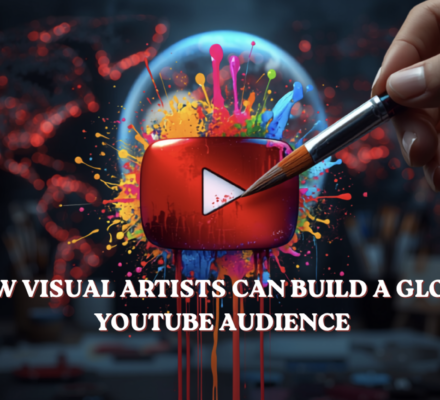
How Visual Artists Can Build a Global YouTube Audience
Art IndustryEntrepreneurshipMarketing

How Visual Artists Can Build a Global YouTube Audience

June 23, 2026 2 Comments
Art IndustryEducationEntrepreneurship

5 Must-Visit Exhibitions This Year

June 21, 2026 5 Comments
How Smart Companies Are Leveraging Street Culture and City Trends to Build Stronger Brands
Art IndustryConsumersEntrepreneurshipTechnology

How Smart Companies Are Leveraging Street Culture and City Trends to Build Stronger Brands

June 16, 2026 4 Comments
Movie Snacks
Art Industry

A Guide to DIY Movie Snacks for Event Planners

May 16, 2026 4 Comments
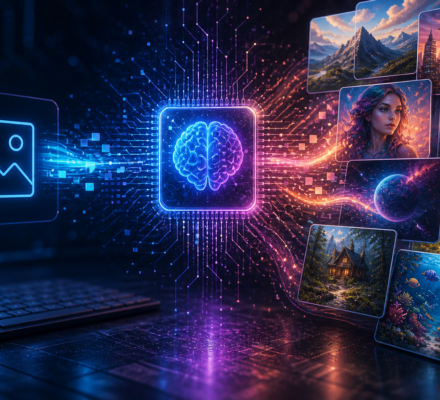
AI Image Enhancement Tools That Save Time for Content Creators and Marketers
Art IndustryArtificial IntelligenceConsumersMarketingPhotograhyTechnology

AI Image Enhancement Tools That Save Time for Content Creators and Marketers

May 5, 2026 4 Comments
A week to reconnect with yourself: art therapy between sea, silence, and light
Art IndustryDrawingEducationHealthcarePhotograhyTechnology

A week to reconnect with yourself: art therapy between sea, silence, and light

May 2, 2026 1 Comment
Art IndustryConsumersMarketingPhotograhy

Seeing the Object Before It Exists

February 3, 2026 3 Comments
Art IndustryTechnology

The Art of Risk: Why Contemporary Artists Choose Provocative and Bold Decisions

December 1, 2025 2 Comments
Benheine.com blends contemporary art, conceptual experimentation and digital technique, often highlighting how artists use technology to reshape visual language. The editorial tone is thoughtful, research-driven and rooted in practical artistic insight. This article follows that direction by examining how generative processes create an emotional cadence that closely resembles the feeling of play. Generative Thinking as an Experiential Framework Generative design is built on code, logic and repeatable rules, but its real power appears in the way viewers emotionally interpret unpredictability. When an artwork is produced through an algorithm rather than a fixed hand, it behaves like a system in motion. This creates a sense of discovery that echoes the psychological dynamics familiar in interactive environments. Even entertainment platforms such as Rose Casino rely on similar reactions, showing how anticipation and variation sustain attention through evolving outcomes. Uncertainty Shaped Into Aesthetic Form Randomness in art is never the absence of control; it is the shaping of possibility. Generative artists define boundaries, and within them the system chooses its own direction. Each variation feels intentional yet unpredictable, inviting viewers to search for meaning in what might appear accidental. This equilibrium between order and disorder deepens the viewing experience. It holds attention because each moment carries the potential for subtle change, much like the engagement signals used in Rose Casino to keep visual sequences feeling alive. Algorithms and the Illusion of Response One of the most striking qualities of algorithmic work is that it seems to react, even when no explicit interaction occurs. The artwork gives the impression of an independent entity negotiating rules on its own terms. This impression introduces a game-like mindset, where outcomes feel influenced but not predetermined. In interactive installations, the effect intensifies: movement, position or input from the viewer can redirect the system’s evolution. The relationship becomes participatory rather than observational, similar to how Rose Casino blends persistence and variation to shape the user’s sense of agency. Probability as Visual Structure Behind every generative system lies a set of probability models that distribute colour, placement or transformation. Slight shifts in probability can reshape the entire emotional reading of a piece. A narrow band of variation produces harmony; a wide one creates volatility. These distributions give the artwork its internal rhythm, suggesting movement even when the surface is still. This structural unpredictability parallels the pacing strategies used in entertainment spaces like Rose Casino, where probability determines the tempo of engagement and the spacing of emotional peaks. The Turning Point in Evolving Art Systems Real-time generative environments intensify viewer involvement because the artwork reveals itself progressively. As forms emerge, dissolve or reconfigure, the viewer moves into a heightened state of observation, waiting for the next change. This midpoint shift—from casual viewing to focused attention—is central to what gives generative work its game-like feel. It mirrors the psychological threshold discussed by users who analyse evolving entertainment systems, including those who study visual timing and behavioural pacing on platforms like https://rosecasino-uk.com. Pattern Seeking as Cognitive Engagement Human perception is wired to interpret and decode structure. Generative art leverages this instinct by offering enough coherence to recognise patterns while continuously disrupting them. Viewers oscillate between understanding and reassessing, which keeps cognitive engagement active. This mental negotiation mirrors the behaviour seen in interactive logic puzzles or probability-driven environments. The same mechanism sustains attention in platforms such as Rose Casino, where recognition and surprise operate in tandem. Emotional Resonance Through Controlled Surprise Surprise is one of the most efficient emotional triggers in visual design. In generative work, surprise emerges from small deviations—unexpected shifts in scale, colour or movement. When calibrated carefully, these fluctuations create emotional resonance without breaking the internal logic of the piece. They offer a brief moment of intensity that refreshes the viewer’s connection to the system. Interactive environments, including Rose Casino, employ similar techniques by balancing familiarity with small, meaningful variations that make each encounter feel distinct. Why Chance-Based Aesthetics Matter Today Modern audiences navigate digital landscapes filled with variability, adaptation and constant change. Generative design aligns naturally with these expectations. It uses chance as a creative engine, turning unpredictability into an aesthetic resource. The result is an artwork that feels dynamic, responsive and open-ended, echoing the emotional pace of interactive media. By embracing controlled randomness, generative artists create experiences that reward repeated viewing, encouraging audiences to stay with the work as it unfolds. This connection between algorithmic variability and sustained attention explains why chance-based approaches have become central to contemporary visual practice.
Art IndustryGamingTechnology

The Art of Chance: How Generative Systems and Algorithms Produce a Game-Like Pulse in Visual Creativity

November 17, 2025 3 Comments
Art IndustryEducationFinanceTechnology

UK Tax Registration for Freelance Creatives: Your MTD Guide

November 12, 2025 3 Comments
When Art Meets Technology: The Aesthetics of Virtual Worlds
Art IndustryEducationFinanceGamingPhotograhy

When Art Meets Technology: The Aesthetics of Virtual Worlds

November 6, 2025 2 Comments
7 AI Image Generators Helping Entrepreneurs Build Brands
Art IndustryArtificial IntelligenceEducationEntrepreneurshipMarketingPhotograhyTechnology

7 AI Image Generators Helping Entrepreneurs Build Brands

September 3, 2025 25 Comments